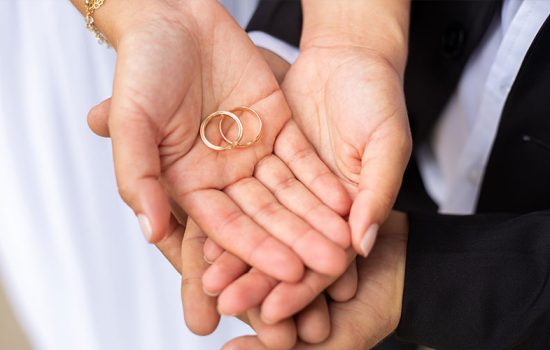
Elegir vuestras alianzas es elegir el símbolo que os acompañará toda la vida. En Alfonso Martí creamos alianzas de boda en Barcelona diseñadas y fabricadas artesanalmente, una a una, con un enfoque totalmente personalizado.
No trabajamos con producción en serie. Cada alianza nace desde cero, pensada exclusivamente para vosotros, cuidando proporciones, acabados y comodidad para que sea una joya atemporal.
Si buscáis alianzas de boda diferentes, originales y con verdadero significado, aquí comienza vuestro proceso.
Pedir Cita
Alianzas de boda artesanales, hechas desde cero
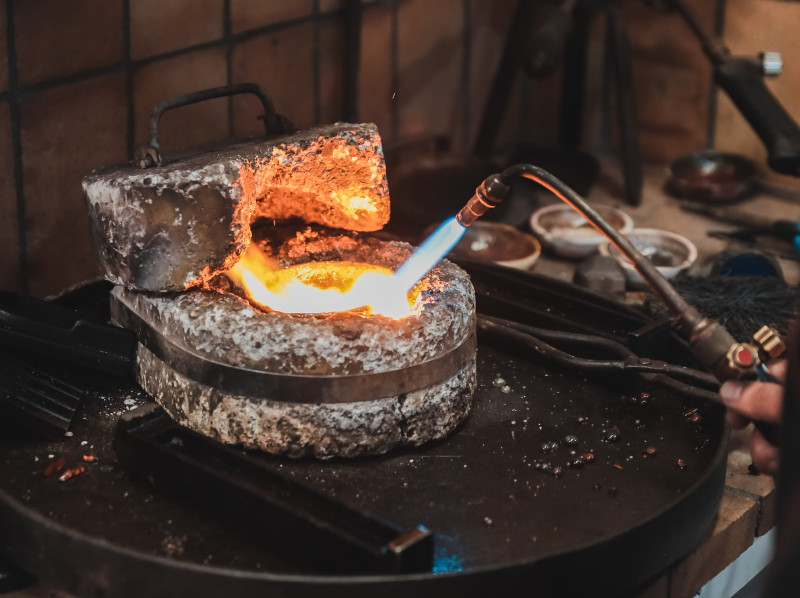
En nuestro taller fabricamos cada alianza desde el inicio. No partimos de moldes prefabricados ni de piezas estándar.
Trabajamos el metal directamente para crear alianzas artesanales con identidad propia, con la misma filosofía que el resto de nuestros anillos artesanales.
Adaptar ancho y grosor
Ajustar forma interior
Elegir acabados personalizados
Crear diseños únicos
Alianzas de boda creadas con tu propio oro
Una de nuestras especialidades es fabricar alianzas utilizando el oro que vosotros mismos traéis.
Joyas antiguas, piezas heredadas o fragmentos cargados de historia se transforman en nuevas alianzas con un significado aún más profundo.
¿Cómo es el proceso?
Fundimos vuestro oro para devolverlo a su estado original.
Refinamos el metal para garantizar calidad y pureza.
Diseñamos vuestras nuevas alianzas desde cero.
Trabajamos cada detalle hasta lograr el acabado perfecto.
Trabajar con vuestro propio oro no solo mantiene su valor, sino que convierte vuestras alianzas en una pieza aún más personal y simbólica.
Es también una opción consciente y sostenible: reutilizar un material noble para darle nueva vida.
Cada par de alianzas es único. No solo por su diseño, sino por la historia que contiene el metal con el que está hecho.
Alianzas de boda originales y diferentes en Barcelona
Cada pareja es distinta, y sus alianzas también deberían serlo. Diseñamos alianzas de boda originales en Barcelona, alejadas de modelos estándar y tendencias pasajeras. Buscamos proporción, equilibrio y carácter, creando piezas que reflejen vuestra personalidad.
Si buscáis alianzas de boda diferentes, os acompañamos para definir un diseño que sea verdaderamente vuestro.
Alianzas de oro: tradición y durabilidad
La alianza de oro sigue siendo la elección más clásica y duradera para un matrimonio.
Trabajamos en oro amarillo, blanco o rosa, siempre seleccionando metales nobles que garanticen resistencia y belleza con el paso del tiempo.
El oro permite:
Excelente durabilidad para uso diario
Acabados variados y personalizados
Grabados interiores con significado especial
Os asesoramos para elegir el tono y el acabado que mejor encajen con vuestro estilo y con el anillo de compromiso, si lo hay.
Recomendamos iniciar el proceso al menos con uno o dos meses de antelación a la boda. Esto permite diseñar con calma, realizar pruebas si son necesarias y garantizar que las alianzas estén listas sin prisas.
¿Podemos hacer las dos alianzas diferentes pero que mantengan coherencia?
Sí. Muchas parejas eligen diseños distintos adaptados a cada estilo, manteniendo un elemento común como el acabado, la textura o el tipo de oro. De esta manera se consigue armonía sin que ambas piezas sean idénticas.
¿Es posible combinar diferentes tonos de oro en una misma alianza?
Sí, se pueden combinar distintos tonos de oro en un mismo diseño, creando contrastes sutiles o más marcados según el estilo que busquéis.
¿Las alianzas requieren mantenimiento con el tiempo?
Como cualquier joya de uso diario, pueden necesitar un pulido o repaso con los años para mantener su acabado original. Es un proceso sencillo que ayuda a conservar su belleza.
¿Qué ocurre si uno de los dos no sabe su talla?
No es necesario conocer la talla exacta en el primer momento. Podemos medirla en el taller o facilitar indicaciones para obtenerla correctamente antes de la entrega final.
¿Podemos añadir un pequeño diamante u otro detalle especial?
Sí, es posible incorporar piedras o detalles personalizados en una o ambas alianzas, siempre manteniendo el equilibrio y la durabilidad para el uso diario.
Encargar alianzas de boda en Barcelona
Si estáis buscando alianzas de boda en Barcelona, os ofrecemos una experiencia cercana y sin prisas.
Trabajamos con cita previa para poder dedicaros el tiempo necesario, explicaros el proceso y diseñar juntos vuestras alianzas.
Cada pareja vive una historia distinta. Nuestras alianzas también.
No se han encontrado productos que coincidan con tu selección.
CUENTA
Lista de deseos
Lista de deseos
Acceder
Create an account
Password Recovery
Carrito 0
Añadir Joyería Alfonso Martí a su pantalla de inicio